
Welsh Foods
Welsh foods: pub favourites, bakery treats and local stories
Food deserves a place in a Wales itinerary alongside the castles, coast and countryside. Our Welsh foods guide starts with three dishes from this trip: Welsh rarebit and faggots and peas at the Plough and Harrow, and Welsh cakes from Pie Queen in Bridgend. They give us a lovely starting point for exploring what makes eating in Wales part of the journey.
For us, this is the appeal of making room for local food: a pub lunch becomes a pause in the sightseeing, and a bakery gives you a reason to stop somewhere you might otherwise drive past. We have brought our own photographs together with a little food history and some ideas for what to try next. You do not need to work through a long checklist to enjoy a taste of Wales.
Welsh Foods from Our Trip
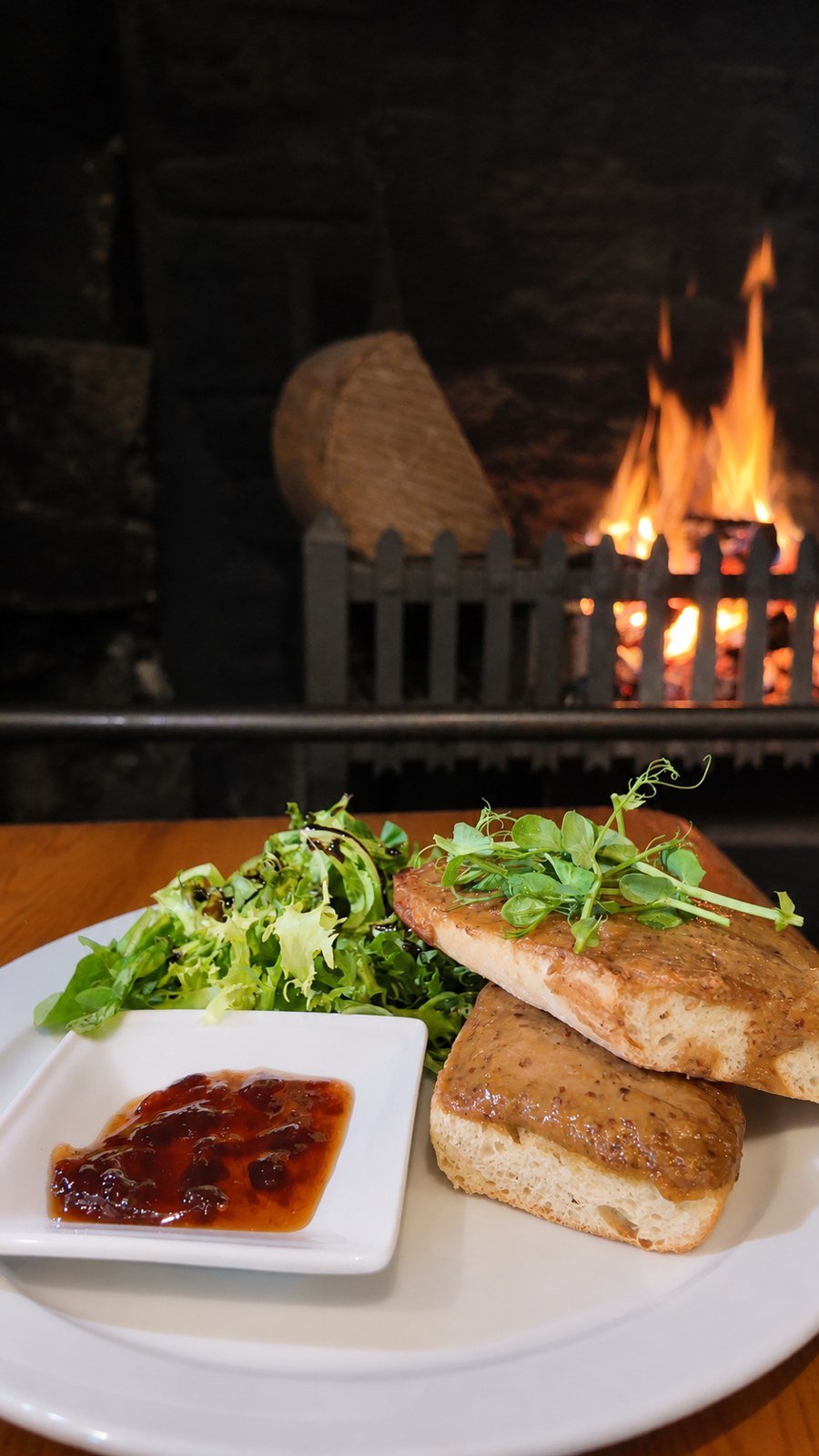
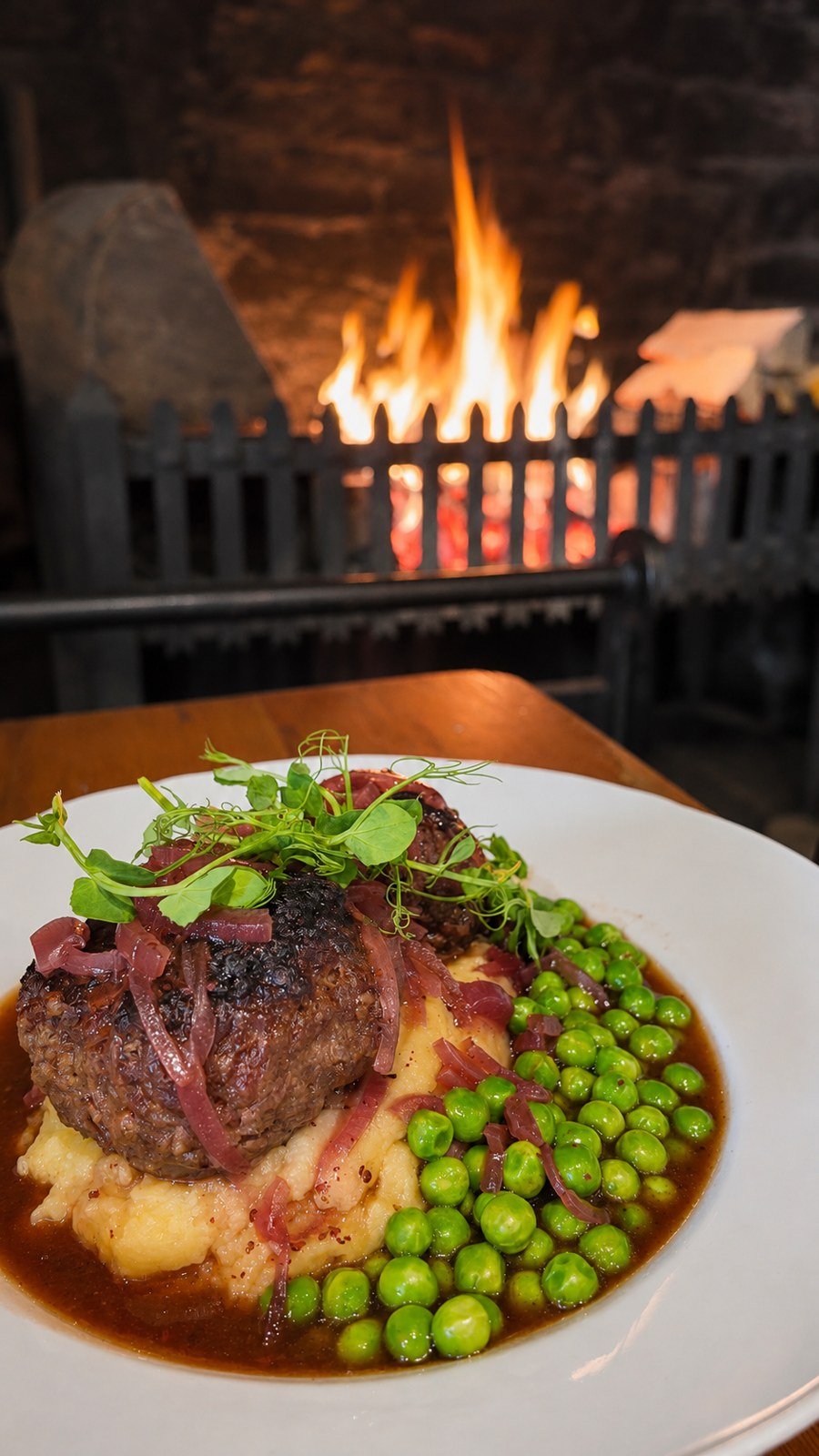
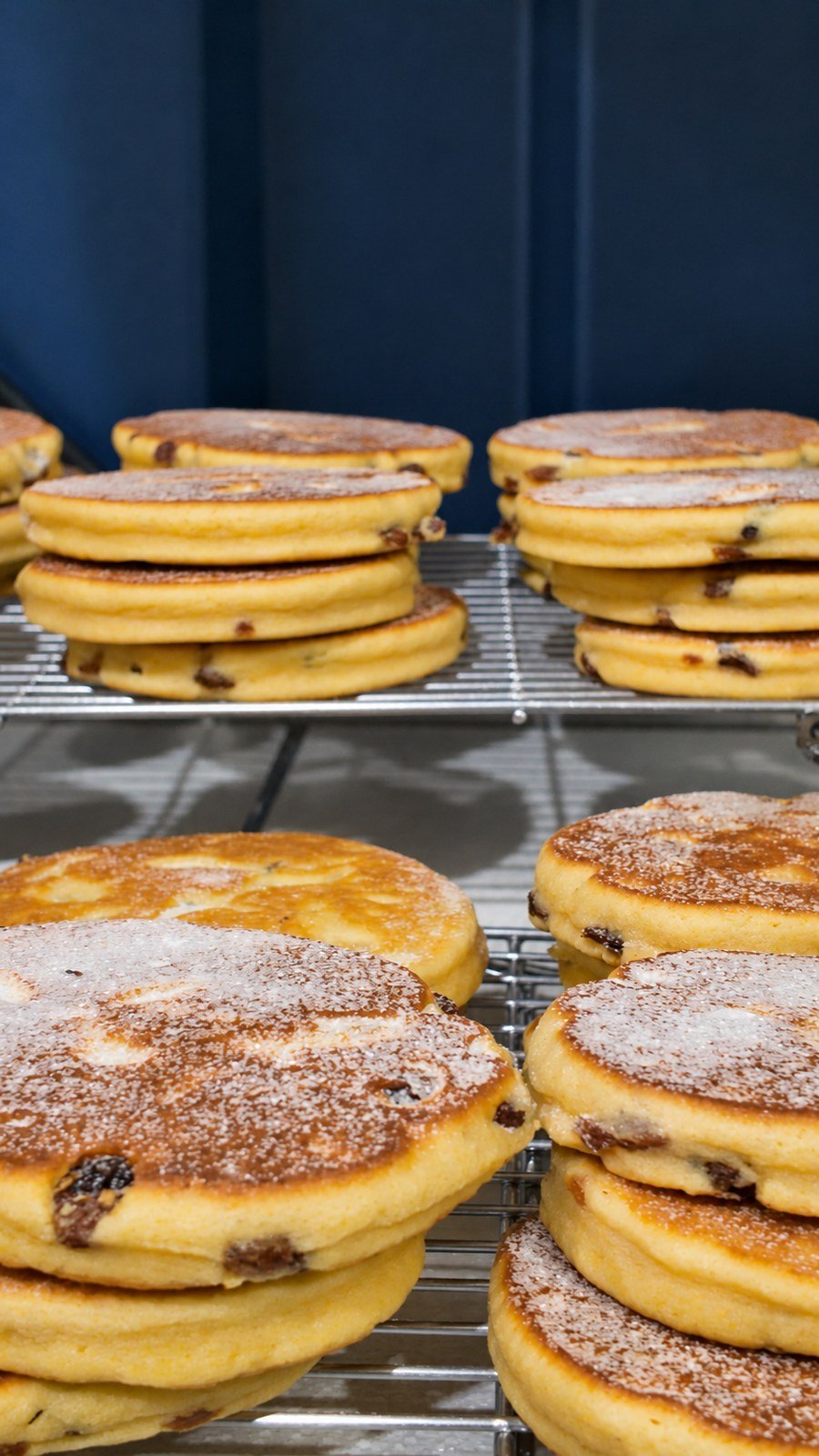
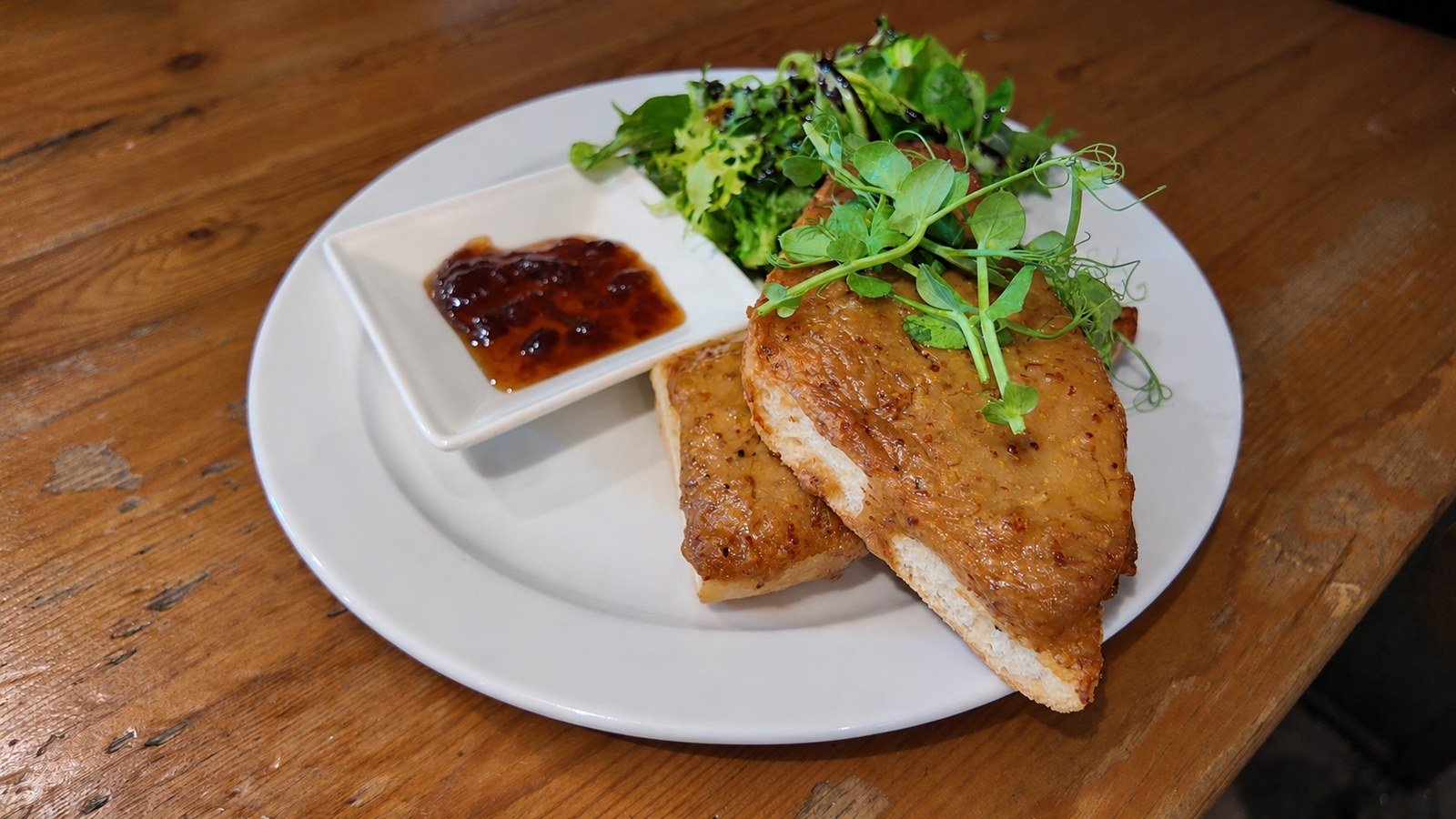
From our Wales collection: rarebit by the fire, faggots with peas and mash, and Welsh cakes at Pie Queen. The Welsh cakes image is a still from our own footage.
AeroRoamReady Tip: Start with a Few Local Favourites
Make room for a savoury lunch and a bakery stop rather than trying to taste everything in one day. Welsh rarebit, faggots and peas, and Welsh cakes offer three quite different introductions. Ask what is made in-house, what is available that day and whether there is a local speciality on the counter.
The Plough and Harrow — Our Pub Food Stop
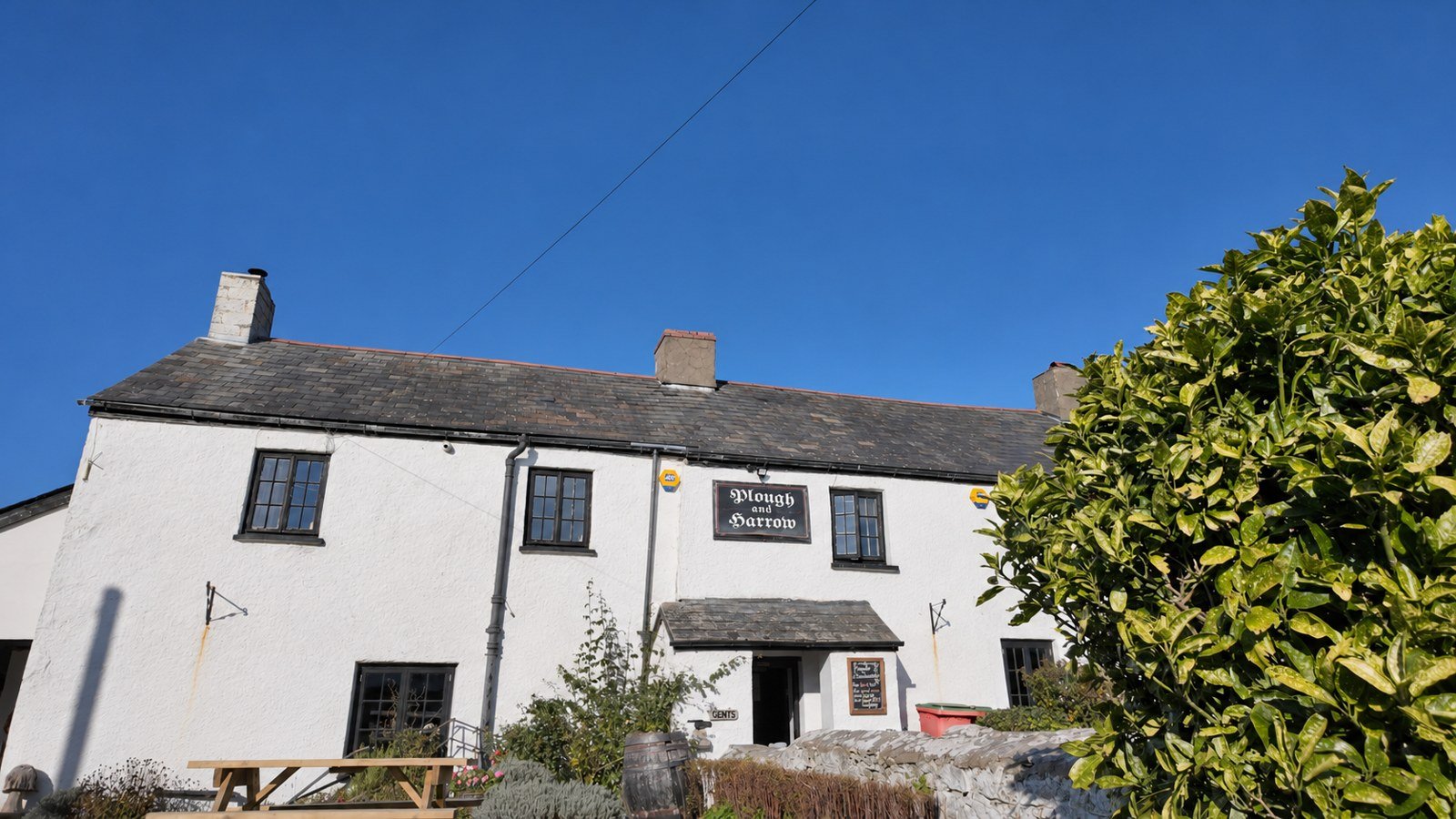
This was where we stopped for both the rarebit and the faggots and peas. Including the pub as well as the plates tells more of the story: the food belongs to a place, and the fireplace in our photographs is part of that memory. We would leave time for a proper lunch here rather than squeezing it between stops.
Welsh Rarebit — A Proper Pub-Lunch Stop
We had our Welsh rarebit at the Plough and Harrow. The photograph brings together a plate of rarebit, salad and chutney with the fireplace behind it: exactly the sort of food stop we like to leave space for between exploring. It is a reminder that a memorable travel day does not have to be busy from beginning to end.
Rarebit is a savoury cheese topping served over toast. Recipes often include mustard, ale and seasonings, then finish the topping under a grill. The name can confuse first-time visitors, but the classic dish does not contain rabbit. There are plenty of variations, so the version on one pub menu may be quite different from another.
Think of it as a lunch in its own right rather than just something to order on the side. If you enjoy discovering the details behind a dish, ask which cheese the kitchen uses and how they make their topping. Visit Wales offers a rarebit recipe with ale and laverbread, showing how a familiar base can take on a distinctly Welsh variation.
Faggots and Peas — South Wales Comfort Food
We also had faggots and peas at the Plough and Harrow. Our plate came with mash and gravy, making this the more substantial of the two savoury dishes in our photographs. If you are planning a pub meal as part of a day out, this is one of the traditional names worth recognising on a Welsh menu.
Traditional faggot recipes combine pork and offal, often liver, with onion, herbs and ingredients such as breadcrumbs to form seasoned meatballs. Recipes vary. They became a familiar meal in South Wales mining communities and are also associated with parts of England, including the Midlands; they are not a dish found only in Wales.
The history is part of their interest. This is cooking that made use of economical ingredients and turned them into a filling meal. Museum Wales records women preparing and selling faggots in South Wales villages, while Wales.com has a modern faggots and mash recipe. If offal is unfamiliar to you, knowing what is in the dish before ordering is a good place to start.
Welsh Cakes — Our Bakery Stop at Pie Queen
Our Welsh cakes came from Pie Queen in Bridgend. We have included a still from the footage we took there, with the cakes stacked on cooling racks. After the bigger pub dishes, this gives the guide a different kind of stop: something small from a local bakery, with room to browse what else is being made.
Bakers traditionally cook these small, flat cakes on a bakestone or griddle. Classic sweet versions contain dried fruit and are often finished with sugar. They have a long place in Welsh home baking, with regional recipes and names as well as modern flavour variations. A Welsh cake is different from a slice of sponge cake or an oven-baked scone, even if all three make a good excuse for a tea break.
We would make this an unhurried part of the day. Look at what is fresh, choose a few to share and let the bakery stop be an experience rather than an errand. For the traditional method, Wales.com explains how Welsh cakes are made. Visit Wales also has ideas for Welsh cake stops around the country.
A Local Bakery to Watch: Pie Queen
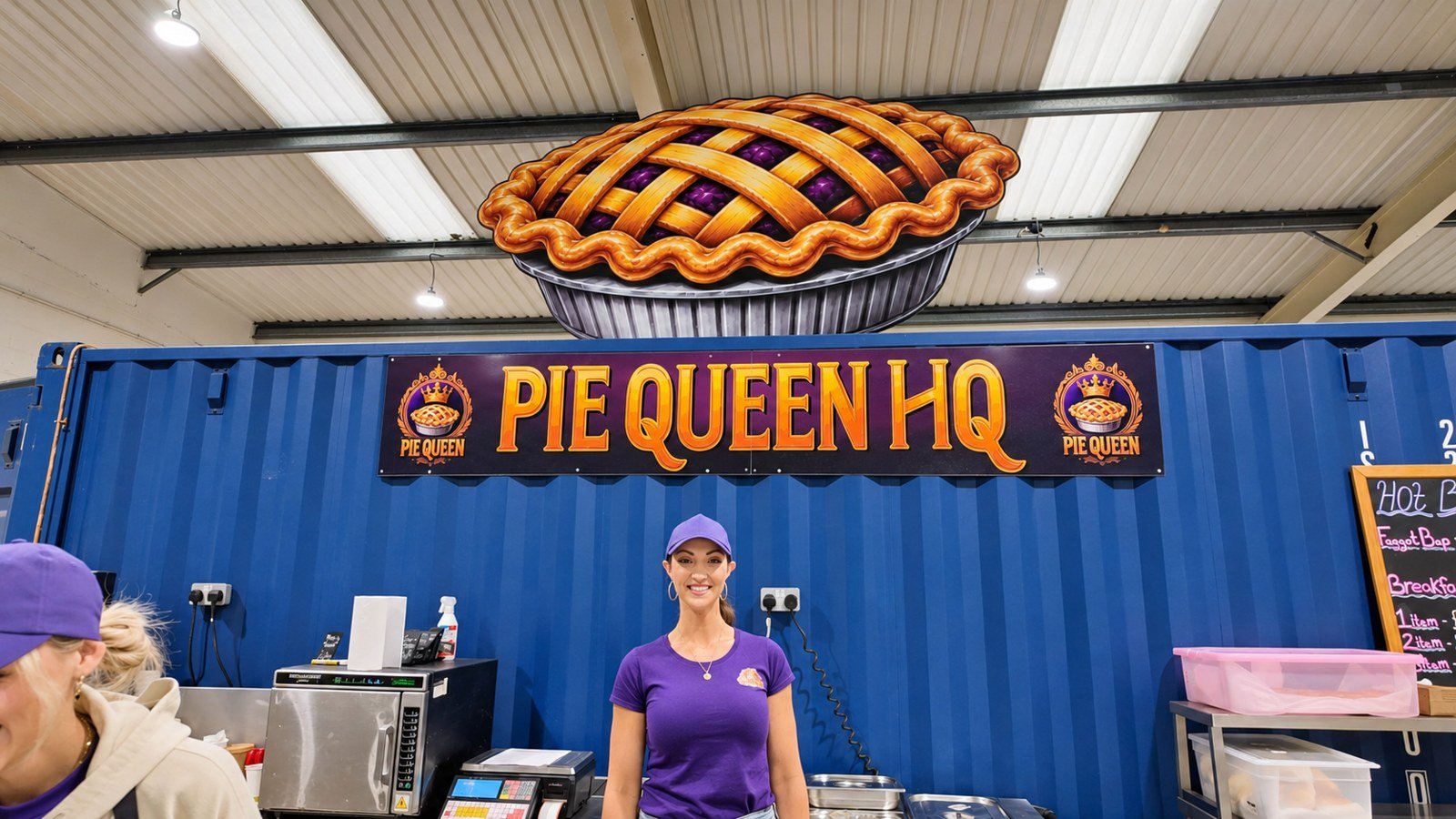
Pie Queen beneath her bakery’s HQ sign during our visit.
Pie Queen deserves more than a passing mention, and we are planning a separate feature on the bakery. Its story takes it from a small farm-based beginning to a growing bakery business, with a farm-to-fork approach and generously filled beef pies at the heart of what makes it stand out.
There is more on the counter than Welsh cakes. During our visit, the range included faggots and peas, ice slices, corned beef pies and pasties, other pies and pasties, and desserts. It is the sort of place where we would leave room for a savoury choice as well as something sweet. The selection can change, so check what is available before making a special trip for one item.
In a Bridgend Sustainable Food Partnership interview, the business describes using beef and lamb from its family farm and filling its pies generously. That connection between the ingredients and the finished food is a story we want to explore properly in the feature.
More Welsh Foods to Look Out For
Our photographs cover three dishes, but there are other traditional Welsh foods worth recognising as you travel. These are ideas for your own food stops, rather than meals we are claiming to have tried on this trip.
Cawl — A Warming Bowl
Cawl is a traditional broth or stew of meat and seasonal vegetables. Lamb and beef are both used, and recipes differ between homes and regions. It is a useful name to look for when you want a warming lunch after time outdoors. Transport for Wales includes cawl in its guide to traditional Welsh food.
Bara Brith — Fruit Loaf for a Tea Break
Bara brith translates as speckled bread. Bakers commonly use tea-soaked dried fruit in this loaf, then serve it sliced with butter. Older versions used yeast; many modern recipes are closer to a fruit cake. We would look for it in a bakery or café when the afternoon calls for a slower stop. Wales.com explains the tradition and a modern recipe.
Glamorgan Sausages — A Meat-Free Classic
Despite the name, traditional Glamorgan sausages are made without meat. Cheese, leeks and breadcrumbs form the base, shaped and cooked into a savoury sausage. They are a good dish to recognise if you are looking for a vegetarian Welsh speciality, though ingredients and preparation still vary by kitchen. See Visit Wales’ Glamorgan sausage recipe for an example.
Laverbread — A Taste of the Coast
To make laverbread, cooks boil laver seaweed into a soft mixture; despite the name, it is not a loaf of bread. It is associated with the Welsh coast and can appear as part of a breakfast, sometimes mixed with oats and fried. Its savoury flavour makes it quite a different choice from the bakery treats above. Wales.com tells the story of laverbread and its place in Welsh food culture.
Making Room for Welsh Foods in Your Itinerary
We would plan one main food stop around the rest of the day, then leave a little room for a bakery or market. A castle morning can become a pub-lunch day; a drive through South Wales can include a local bakery rather than another service-station stop. The point is to give the place and its food some attention.
Menus and counters change, so avoid building a day around an old photograph of one dish. Check current food-service times, ask whether booking is sensible and confirm the item you want is available. If you are buying something to take away, ask the bakery how best to store it and when to enjoy it.
AeroRoamReady Tip: Ask About the Food
A simple question can make a stop more interesting: which pies are made here, where does the meat come from, or which Welsh cake is the traditional version? You do not need specialist food knowledge. Let the people making it tell you what they are proud of.
Ordering Welsh Foods with Dietary Requirements
Dish names do not tell the whole ingredient story. Faggots traditionally contain meat and offal; rarebit contains cheese and may use a sauce that contains fish; Welsh cakes often contain wheat, eggs and dairy, and recipes may use different fats. Ask the kitchen about the actual recipe and preparation if you have an allergy or dietary requirement. A traditional description is a starting point, not a guarantee about a particular serving.
Welsh Foods FAQs
Does Welsh rarebit contain rabbit?
No rabbit is used in classic Welsh rarebit: it is a savoury cheese mixture served on toast. Ask about the particular recipe if you need to check other ingredients.
What are faggots and peas?
Faggots are seasoned meatballs traditionally made with meat and offal. Peas and gravy are familiar accompaniments, with mash often served alongside, as in our photograph.
Are Welsh cakes baked in an oven?
Bakers traditionally cook Welsh cakes on a bakestone or griddle, turning them so both sides cook. That method gives them their characteristic flat shape and browned surfaces.
Where did we eat the dishes in our photographs?
Our Welsh rarebit and faggots and peas were at the Plough and Harrow. Our Welsh cakes were from Pie Queen in Bridgend, which we plan to cover in a separate feature.
A Little More Food History
Welsh food is a collection of household and regional traditions, not one fixed menu. Museum Wales’ Welsh Foods collection is a lovely place to continue reading: it draws on recorded memories and recipes gathered from people around Wales. It gives some context to the dishes you might meet on a pub menu or a bakery counter today.