
The Ultimate Kyoto Travel Guide: Things to Do, Where to Stay & 4-Day Itinerary
Everything you will need for your trip to Kyoto, Japan.
Why Visit Kyoto, Japan?
Kyoto is one of Japan’s most rewarding cities for travelers who want history, atmosphere and a slower pace alongside incredible food and scenery. Once the imperial capital of Japan, the city is filled with centuries-old temples, traditional streets, peaceful gardens and some of the country’s most recognizable sights.
What makes Kyoto special is how different each part of the city feels. You can start the morning walking beneath thousands of torii gates at Fushimi Inari, spend the afternoon exploring temples and gardens, then finish the day wandering through Gion as lanterns begin to glow.
For a first visit, Kyoto offers a brilliant mix of culture, food, nature and history — and with four days, you have enough time to see the major highlights without rushing through them.
Kyoto, Japan at a Glance
Best time to visit:
March – May & October – November
Ideal Stay:
4 Days
Currency:
Japanese Yen (JPY)
Getting around:
Trains, buses & walking
Known for:
Temples, shrines, traditional streets & seasonal scenery
Need to know:
Popular sights get very busy – start early, especially at Fushimi Inari and Arashiyama.
Best Things to Do in Kyoto, Japan
1. Kinkaku-ji (Golden Pavilion)
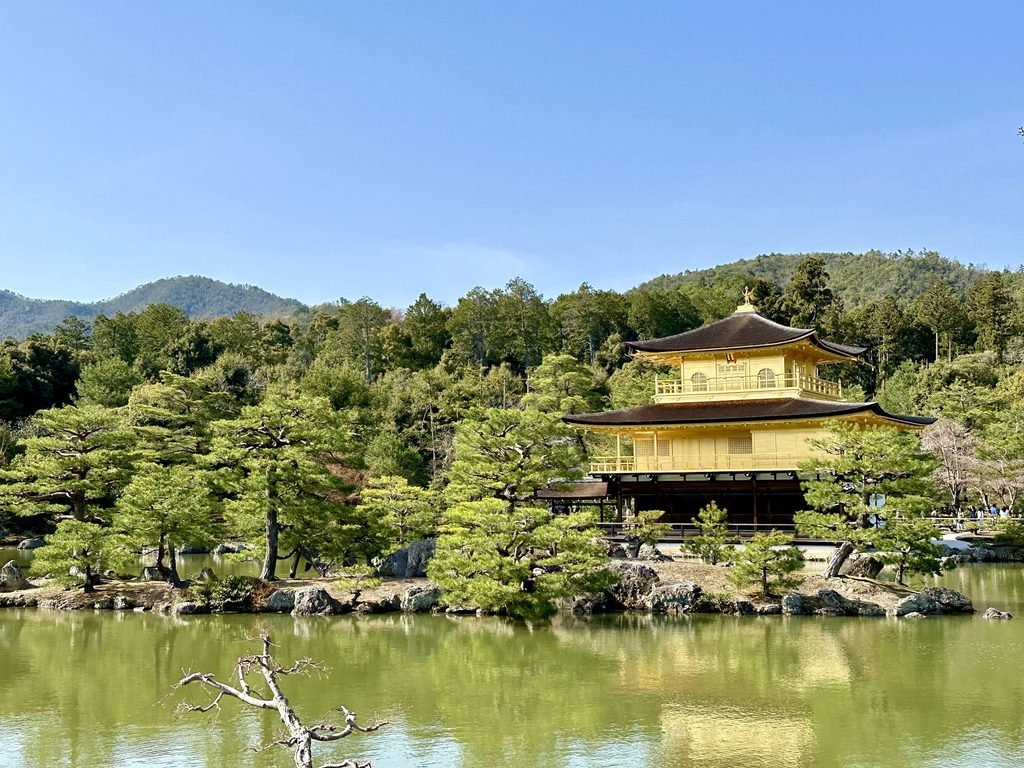
inkaku-ji is one of Kyoto’s most iconic sights, famous for its gold-covered upper floors reflecting across the surrounding pond. The temple sits within beautifully landscaped gardens, and the walking route around the grounds gives you several different viewpoints of the pavilion.
It’s an easy place to include in a first Kyoto itinerary and works particularly well alongside other sights in northern Kyoto. The setting changes with the seasons too, from vivid autumn color to snow-covered winter scenes.
AeroRoamReady Tip:
o as close to opening time as you can. Kinkaku-ji is one of Kyoto’s busiest attractions, and arriving early gives you a much better chance of seeing the pavilion and taking photos before the larger tour groups arrive.
2. Arashiyama Bamboo Grove
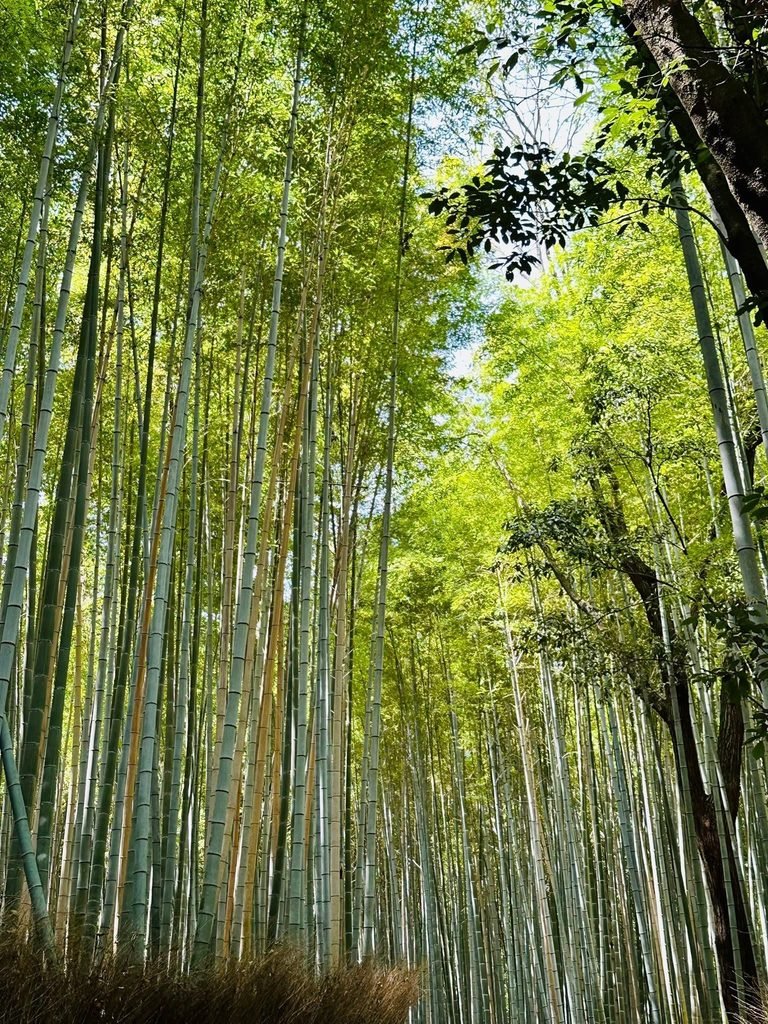
Arashiyama Bamboo Grove is one of Kyoto’s most atmospheric sights, with towering bamboo creating a shaded pathway that feels completely different from the rest of the city. The main grove is fairly compact, but it’s part of a much larger area that’s worth exploring rather than treating it as a quick photo stop.
Nearby you can also visit Tenryu-ji, walk across Togetsukyo Bridge and spend some time along the river, which makes Arashiyama an easy half-day or full-day area.
AeroRoamReady Tip:
Arrive early in the morning if you want a quieter experience. The bamboo grove gets extremely busy later in the day, and the early light also makes the path much better for photos.
3. Arashiyama Monkey Park
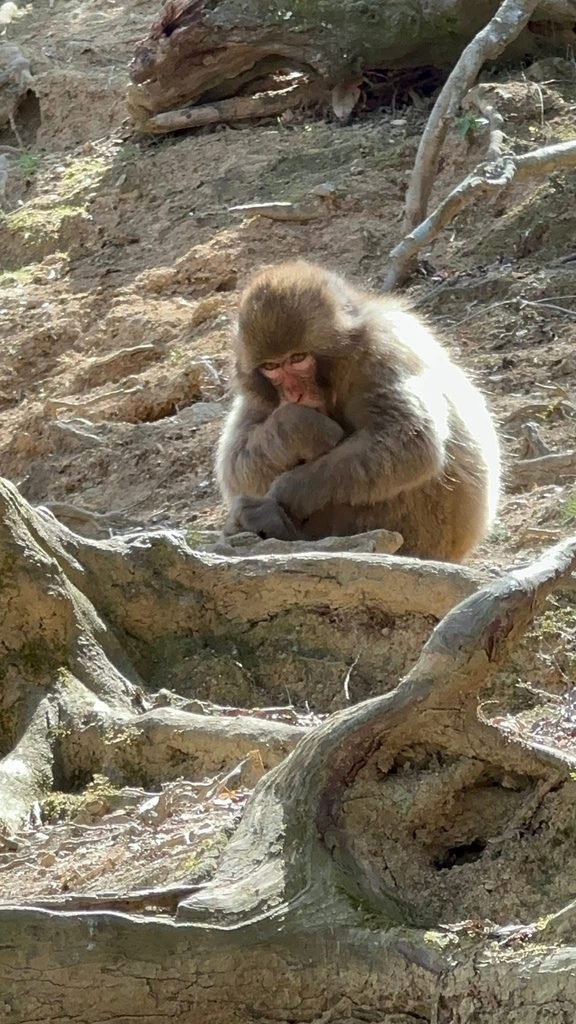
Arashiyama Monkey Park Iwatayama is one of the most memorable experiences in western Kyoto. After a fairly steep uphill walk, you reach an open area where Japanese macaques roam freely, with wide views back across Kyoto in the background.
It’s a nice contrast to the temples and bamboo grove nearby, and it fits really well into an Arashiyama day because you can combine it with the bamboo forest, Togetsukyo Bridge and the riverside.
AeroRoamReady Tip:
Wear comfortable shoes and allow extra time for the climb. The walk up is the hardest part, but the views at the top are worth it. Keep food packed away unless you’re using the designated feeding area, and give the monkeys plenty of space.
4. Yasaka Pagoda
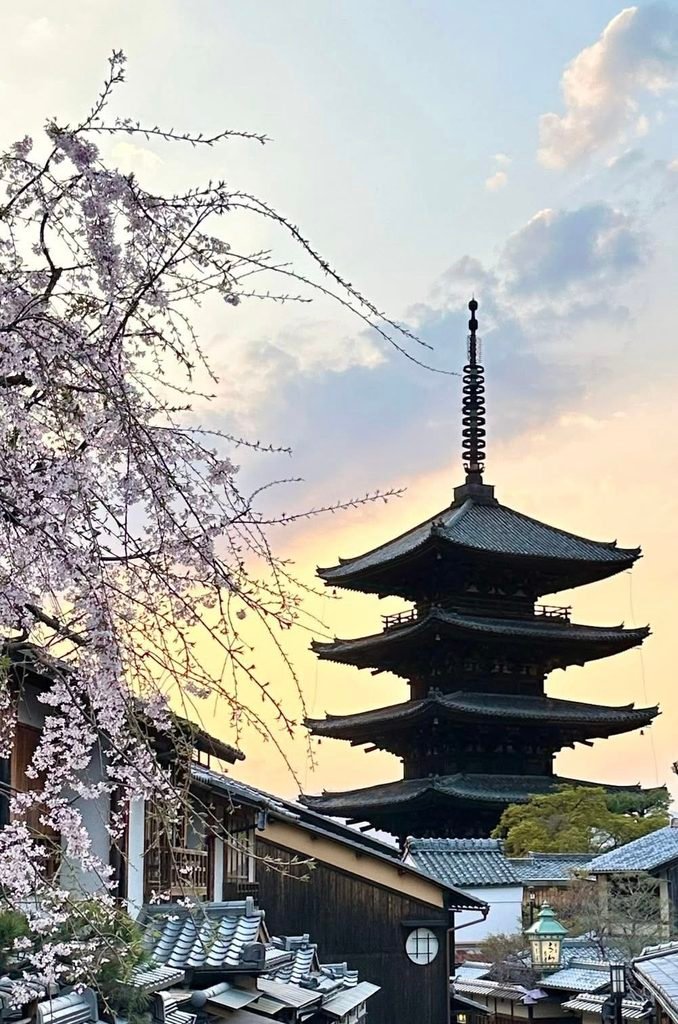
asaka Pagoda is one of the most recognizable views in Kyoto, rising above the traditional streets of Higashiyama. The five-story pagoda sits among preserved wooden buildings, narrow lanes and small shops, making this one of the best areas in the city for simply wandering and soaking up the atmosphere.
It’s especially beautiful around sunrise, sunset and during cherry blossom season, when the streets and surrounding temples feel at their most atmospheric. You can easily combine it with nearby Sannenzaka, Ninenzaka and Kiyomizu-dera.
AeroRoamReady Tip:
Come early in the morning if you want that classic Kyoto photo without the crowds. The streets around Yasaka Pagoda become very busy later in the day, especially around Sannenzaka and Ninenzaka.
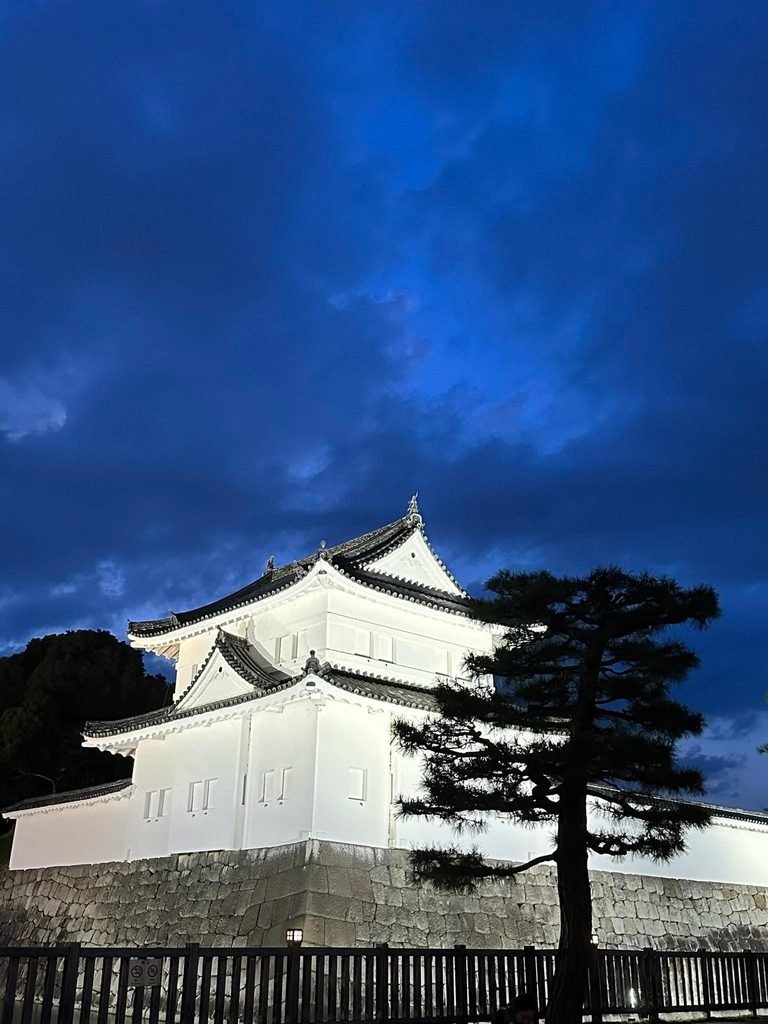
5. Nijo Castle
Nijo Castle offers a completely different side of Kyoto, with impressive palace buildings, landscaped gardens and a strong connection to Japan’s shogun era. The site is best known for Ninomaru Palace, where the famous “nightingale floors” were designed to squeak underfoot as people walked through.
It’s a great stop if you want to balance Kyoto’s temples and shrines with some political and samurai-era history. The gardens are also worth taking your time with, especially during cherry blossom season.
AeroRoamReady Tip:
Give yourself at least 1.5–2 hours here so you’re not rushing through the palace and gardens. Go earlier in the day if you can, as it gets busier later on.
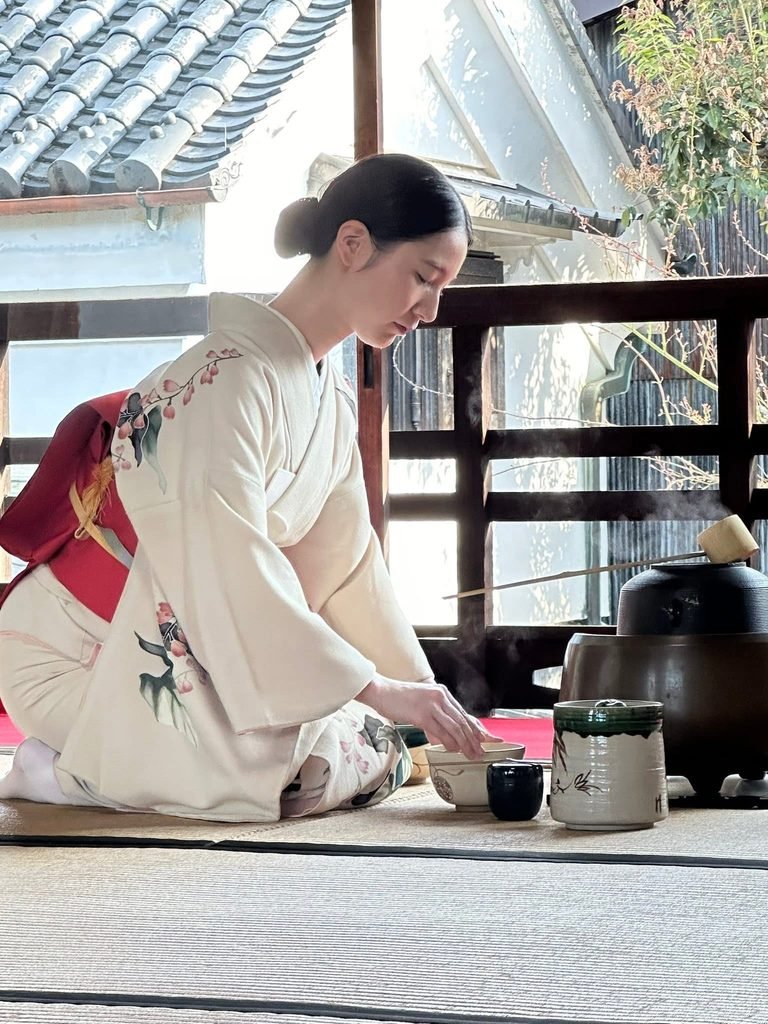
6. Matcha Tea Ceremony
Taking part in a traditional tea ceremony is one of the best ways to experience a quieter, more cultural side of Kyoto. You’ll learn how matcha is prepared and served, while also seeing the care and meaning behind each movement, utensil and part of the setting.
It’s a very different experience from sightseeing at temples and shrines, and it gives you a chance to slow down and understand a tradition that has been part of Japanese culture for centuries.
AeroRoamReady Tip:
Book your ceremony in advance, especially during cherry blossom and autumn seasons. Look for a small-group experience so it feels more personal, and allow a little extra time beforehand so you’re not rushing into it.
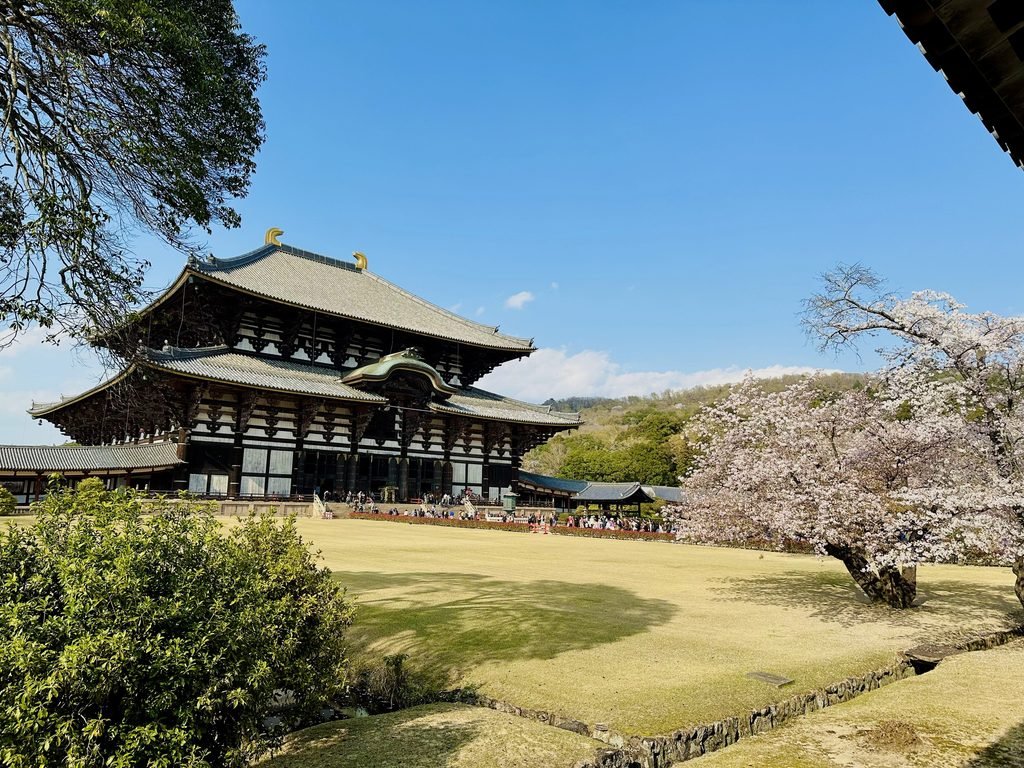
7. Todai-ji Temple, Nara
Todai-ji is one of Japan’s most impressive Buddhist temples and makes an excellent day trip from Kyoto. Its enormous Great Buddha Hall houses a giant bronze Buddha, while the surrounding grounds sit beside Nara Park, where deer wander freely among temples, shrines and woodland paths.
The scale of the temple is what makes it memorable, but the wider Nara area is worth giving time to as well. It’s easy to combine Todai-ji with Nara Park and several nearby historic sites in one day.
AeroRoamReady Tip:
Go early and make Todai-ji one of your first stops in Nara. The area gets much busier later in the day, and starting early also gives you more time to explore the park without rushing back to Kyoto.
8. See the Deer at Nara Park
Nara Park is famous for the hundreds of free-roaming deer that wander throughout the grounds, often around the paths leading toward Todai-ji and the surrounding temples. They’ve become one of Nara’s most recognizable sights and make the park feel completely different from anywhere else around Kyoto.
You can buy special deer crackers from vendors around the park, and some of the deer will even bow for food. It’s an easy experience to combine with Todai-ji, making Nara a really worthwhile day trip from Kyoto.
AeroRoamReady Tip:
Keep bags, maps and loose paper tucked away — the deer can be very curious when food is around. Feed them only the approved deer crackers, and give them space if they become pushy.

Where to Stay in Kyoto, Japan
Where you stay can make a big difference to your Kyoto trip. For a first visit, we’d choose between historic Gion, lively Downtown Kyoto or the convenience of Kyoto Station depending on whether atmosphere, food or transport matters most to you.
Gion & Higashiyama
Stay here if you want the classic Kyoto atmosphere right outside your door. You’ll be close to traditional streets, temples, Yasaka Shrine and many of the city’s most photogenic areas, with plenty to explore on foot. It’s especially atmospheric early in the morning and in the evening once the day-trip crowds thin out.
Downtown Kyoto / Kawaramachi
This is one of the most convenient areas for restaurants, shopping and nightlife, with excellent transport links to other parts of Kyoto. You’ll also be close to Nishiki Market, Pontocho and the Kamo River, making it easy to combine sightseeing with food and evenings out.
Kyoto Station
Kyoto Station is less atmospheric than Gion, but it’s extremely practical. Staying nearby makes day trips, Shinkansen journeys and travel around the city much easier, especially if you’re visiting places like Nara or Osaka as part of your trip. There are also plenty of hotels and restaurants within walking distance.
Best for:
First-time visitors, atmosphere, temples & traditional Kyoto.
Best for:
Food, nightlife, shopping & central convenience.
Best for:
Transport, day trips, shorter stays & easy connections.
Where We Stayed in Kyoto, Japan
We stayed at The Machiya Ebisuya and really enjoyed it. It had a calm, traditional feel while still being convenient for exploring Kyoto, and one of the nicest touches was having a basket of breakfast items delivered to us each morning. It made the stay feel that little bit more special and personal.
If you’re looking for somewhere with more character than a standard hotel, this is definitely one we’d consider staying at again.
How to Get Around Kyoto, Japan
Trains & Subway
Kyoto’s train and subway network is the fastest way to cover longer distances, especially between Kyoto Station, Arashiyama, Fushimi Inari and central neighborhoods. It’s reliable, easy to navigate and works well alongside walking.
Buses
Buses reach many temples and attractions that aren’t directly beside a train station, so they’re still really useful in Kyoto. They can get crowded during peak sightseeing hours, though, so allow extra time.
Walking
Some of Kyoto’s best areas are easiest to enjoy on foot, particularly Gion, Higashiyama, Nishiki Market and the streets around Yasaka Pagoda. Walking also lets you discover smaller temples, shops and side streets you’d otherwise miss.
Best for:
Longer journeys & major sights.
Best for:
Temples, northern Kyoto & areas away from rail lines.
Best for:
Central neighborhoods & sightseeing.
Where to Eat in Kyoto, Japan
Kyoto is one of the best cities in Japan for food, whether you want traditional multi-course dining, casual noodle shops, market snacks or matcha desserts. Rather than focusing on just a handful of restaurants, these are some of the best areas to explore when you’re deciding where to eat.
Nishiki Market
Best for street food and trying lots of small bites.
Pontocho Alley
Best for dinner and atmospheric evening dining.
Downtown
Best for variety, casual meals and convenience
What to Try in Kyoto
Matcha desserts
Soba/ Udon
Kyoto-style sushi
Yudofu
Yakitori
Katsu
Kaiseki
Wagashi
Obanzai
How Many Days Do You Need in Kyoto, Japan
2 Days
Enough for the main highlights. Focus on Fushimi Inari, Gion, Kiyomizu-dera, Arashiyama and one or two other major sights. Best if Kyoto is part of a wider Japan trip and your time is limited.
3 Days
A really good amount of time for a first visit. You can cover the major temples and neighborhoods, spend half a day in Arashiyama and still have time for food, markets and a more relaxed evening in Gion or Pontocho.
4 Days
The sweet spot if you want to see Kyoto properly without rushing. You’ll have time for the big sights, quieter areas, a tea ceremony and a day trip to Nara.
This is what we’d recommend for a first time visit.
The Perfect 4-Day Kyoto, Japan Itinerary
Four days gives you enough time to experience Kyoto’s major sights without rushing, while still leaving room for traditional neighborhoods, local food and a day trip to nearby Nara. This itinerary groups sights by area to keep travel time down and make each day feel manageable.
Day 1 -Historic Kyoto & Gion
Morning — Fushimi Inari Taisha
Start early at Fushimi Inari and walk beneath the famous thousands of red torii gates. The further you climb, the quieter the trails become, so give yourself around 2–3 hours if you want to explore beyond the busiest lower section.
Afternoon — Kiyomizu-dera & Higashiyama
Head to eastern Kyoto for Kiyomizu-dera before wandering downhill through the preserved streets of Sannenzaka and Ninenzaka. Continue toward Yasaka Pagoda and take your time exploring the small shops and traditional streets along the way.
Evening — Gion & Pontocho
Finish the day walking through Gion before crossing toward Pontocho Alley for dinner. This area becomes particularly atmospheric after dark when the lanterns come on and the streets quieten down.
AeroRoamReady Tip:
Start Fushimi Inari as early as possible. You’ll avoid the biggest crowds and free up the afternoon to explore Higashiyama at a much more relaxed pace.
Day 2 – Arashiyama & Northern Kyoto
Morning — Arashiyama Bamboo Grove
Start early at the bamboo grove before the biggest crowds arrive. Walk through the towering bamboo paths, then spend some time exploring the surrounding Arashiyama area and nearby riverside.
Late Morning — Arashiyama Monkey Park
Cross toward the monkey park and make the uphill walk to see the Japanese macaques. Allow around 1.5–2 hours including the climb, time at the top and the walk back down.
Afternoon — Kinkaku-ji (Golden Pavilion)
Head across to northern Kyoto to visit Kinkaku-ji. Walk the garden route around the famous golden pavilion and take in the different views across the pond.
Evening — Downtown Kyoto
Return to central Kyoto for a relaxed evening around Kawaramachi, Nishiki Market or Pontocho. This is a good night to keep flexible for shopping, dinner and trying a few of the foods from your What to Try in Kyoto section.
AeroRoamReady Tip:
Arashiyama is much more enjoyable early in the morning. Do the bamboo grove first, then the monkey park, before continuing to Kinkaku-ji later in the day.
Day 3 – Central Kyoto & Culture
Morning — Nijo Castle
Start the day at Nijo Castle and explore Ninomaru Palace, the gardens and the famous nightingale floors. Give yourself around 1.5–2 hours so you can take your time rather than rushing through the site.
Late Morning — Nishiki Market
Head into central Kyoto for lunch and a wander through Nishiki Market. It’s a great place to try small bites, sweets, pickles and other local specialties from your What to Try in Kyoto section.
Afternoon — Matcha Tea Ceremony
Spend the afternoon doing the tea ceremony you’ve already featured earlier in the guide. It gives this day a more personal cultural experience and breaks up the sightseeing nicely.
Evening — Gion or Pontocho
Finish with a relaxed evening walk through Gion or Pontocho, stopping for dinner somewhere traditional or simply enjoying the atmosphere after dark.
AeroRoamReady Tip:
Keep this day a little lighter than the others. Kyoto is much more enjoyable when you leave room to wander, stop for food and enjoy the neighborhoods rather than trying to tick off too many sights.
Day 4 – Nara Day Trip
Morning — Nara Park
Take an early train from Kyoto to Nara and start with a walk through Nara Park. You’ll see the free-roaming deer almost immediately, and arriving earlier gives you a much calmer experience before the main crowds build.
Late Morning — Todai-ji Temple
Continue to Todai-ji to see the enormous Great Buddha and explore the temple grounds. Give yourself plenty of time here because it’s one of the most impressive stops of the trip.
Afternoon — Explore More of Nara
Spend the rest of the afternoon wandering through the park and nearby historic streets. You can add another temple or shrine, stop for lunch and take the day at a slower pace before heading back to Kyoto.
Evening — Final Night in Kyoto
Return to Kyoto for one last relaxed evening. This is a good time for a favorite restaurant, a final walk through Gion, or simply enjoying the city without another packed sightseeing schedule.
AeroRoamReady Tip:
Leave Kyoto early and treat Nara as a proper day trip rather than trying to squeeze it into a few hours. It’s close enough to be easy, but there’s enough to see that a slower pace makes the day much more enjoyable.
Best Time to Visit Kyoto, Japan
Kyoto is beautiful year-round, but spring and autumn are the most popular times to visit. Cherry blossom season brings some of the city’s most iconic scenery, while autumn transforms temples and gardens with deep red and orange foliage. Both seasons are also among the busiest, so booking accommodation well ahead is worth it.
If you prefer fewer crowds, late May, June or early December can be good alternatives. Summer is hot and humid, while winter is much quieter and can give Kyoto a completely different atmosphere.
March – April
Best for cherry blossoms
Mild spring weather, blooming gardens and some of Kyoto’s most famous seasonal scenery. Expect larger crowds and higher accommodation demand.
May – September
Best for longer days & summer travel
May is generally pleasant, while June brings the rainy season and July–August can be very hot and humid. Summer festivals can make this an exciting time to visit.
October – November
Our pick
Cooler weather, autumn foliage and spectacular temple gardens. November is especially beautiful, but it’s also one of Kyoto’s busiest months.
Kyoto, Japan Travel Tips
Kyoto is an easy city to explore once you understand how the transport works and when to visit the busiest sights. A little planning can make a big difference, especially during cherry blossom and autumn seasons.
Start early
Kyoto’s biggest sights can get very busy, so early mornings are your best friend for places like Fushimi Inari, Arashiyama and Higashiyama.
Use an IC card
An ICOCA, Suica or PASMO card makes trains, subways and buses much easier without buying individual tickets every time.
Wear comfortable shoes
You’ll walk a lot, especially around temple districts, Arashiyama and Nara.
Keep some cash
Japan is increasingly card-friendly, but smaller shops, food stalls and some temples may still prefer cash.
Respect local etiquette
Keep voices low around temples and residential streets, don’t block narrow lanes for photos, and avoid photographing people without permission.
Book popular experiences ahead
Tea ceremonies, seasonal restaurants and some attractions can fill up quickly during peak travel periods.
Don’t overpack your days
Kyoto rewards slower travel. Leave time to wander, stop for food and enjoy the quieter streets between the major sights.
Pack for the season
Summers can be hot and humid, while spring and autumn mornings can be cool. Layers are useful for most of the year.
Frequently Asked Questions
How many days do you need in Kyoto?
Four days is ideal for a first visit. It gives you enough time to see the main temples and neighborhoods, spend time in Arashiyama, enjoy a cultural experience like a tea ceremony, and take a day trip to Nara without rushing.
What is the best month to visit Kyoto?
April is famous for cherry blossoms, while November is especially popular for autumn foliage. If you want fewer crowds, late May or early December can be good alternatives.
Is Kyoto easy to get around?
Yes. Kyoto is well connected by trains, subways and buses, and many central neighborhoods are best explored on foot. An IC card makes public transport much easier.
Is Kyoto expensive?
Kyoto can suit a range of budgets. Accommodation prices rise during cherry blossom and autumn seasons, but food and transport can still be very reasonable if you mix restaurants with markets, casual eateries and convenience stores.
Is Nara worth visiting from Kyoto?
Yes. Nara makes an easy day trip and is especially worth it for Todai-ji, Nara Park and the free-roaming deer. It works really well as the fourth day of a Kyoto itinerary.
Do I need cash in Kyoto?
It’s a good idea to carry some. Cards are widely accepted, but smaller shops, food stalls and some temples may still prefer cash.
What should I wear in Kyoto?
Comfortable walking shoes are essential. You’ll likely cover a lot of ground, and layers are useful because mornings and evenings can be cooler in spring and autumn.
Is Kyoto worth visiting if I’m also going to Tokyo?
Yes. Kyoto offers a very different experience, with far more focus on temples, traditional neighborhoods, gardens and historic streets, which complements Tokyo really well.
Explore more with AeroRoamReady
Affiliate disclosure: This page contains affiliate links. If you book through them, AeroRoamReady may earn a commission at no extra cost to you.